
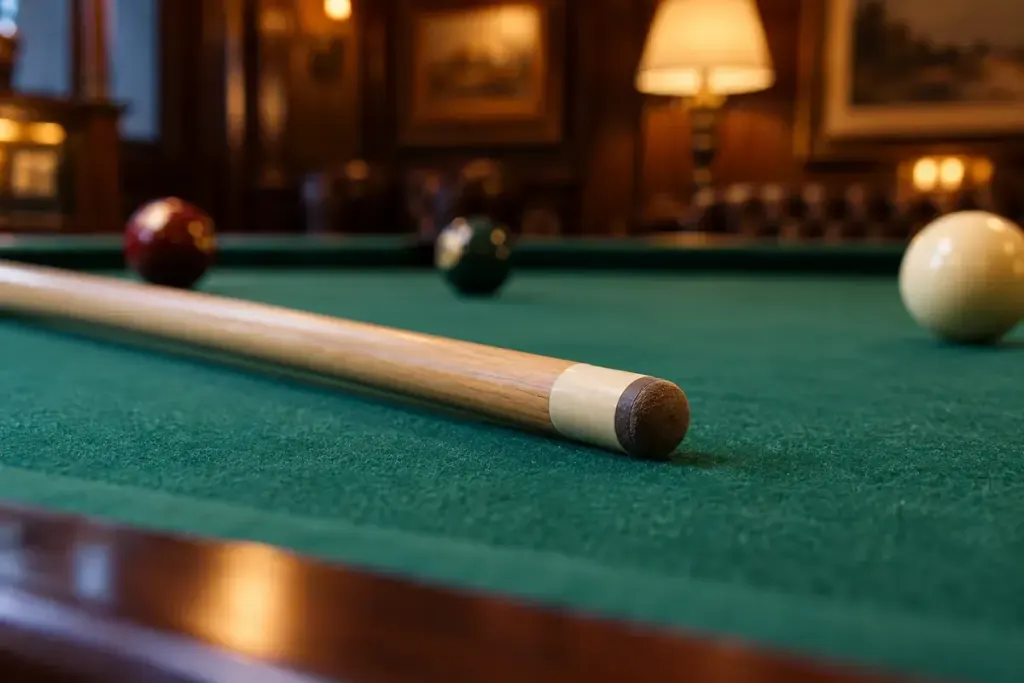
A player recommends a harder tip; another insists that a soft tip is essential for spin. Before replacing a perfectly usable tip, separate how the cue feels from what a shot demonstrates.
Dr Dave’s discussion of cue-tip hardness examines common claims about hardness and shot performance. It is a useful technical reference, but your purchase decision also involves maintenance, sound, feel and consistency with your own cue.
Make a comparison you can learn from
- Start with ordinary shots. Use familiar straight and modest-position shots rather than making an extreme spin shot your entire test.
- Keep conditions consistent. Use the same table and balls where practical. Note whether you have changed the whole cue, because shaft, weight and balance can affect the experience too.
- Observe several attempts. One pleasing shot is weak evidence. Look for repeatable control at a comfortable pace.
- Record feel separately. “I prefer the sound” is a valid preference, but it is different from “this produces more spin.”
Check the condition and shape of the existing tip before blaming its hardness. A worn or poorly maintained tip makes a poor comparison with a newly installed one. Have installation and shaping handled appropriately rather than learning with a valuable cue.
Ask about the maker’s maintenance guidance and how the tip is expected to wear. A rating such as medium is not necessarily a universal measurement shared by every brand. Compare specific products and avoid turning a label into a ranking of player ability.
If you cannot trial a tip, describe your current setup and the actual problem to a knowledgeable cue technician. A clear observation—such as an unwanted feel or maintenance concern—gives them more to work with than a promise that a particular hardness will fix your stroke. Equipment should support practice, not replace the need to observe it.