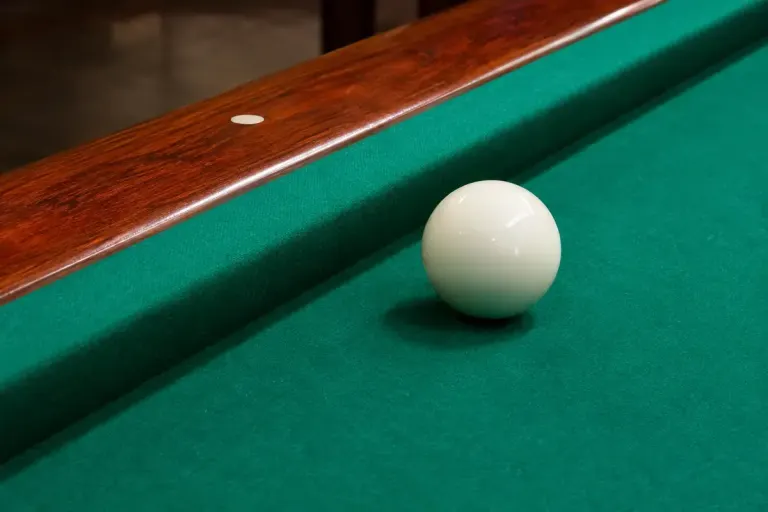
Table Care
K-55 and K-66 cushion profiles are not interchangeable pool-table parts
Identify a pool table’s rail and cushion profile before ordering rubber. K-55 and K-66 describe fit, not a simple quality ranking.

Better sessions, one considered shot at a time.
Identify a pool table’s rail and cushion profile before ordering rubber. K-55 and K-66 describe fit, not a simple quality ranking.
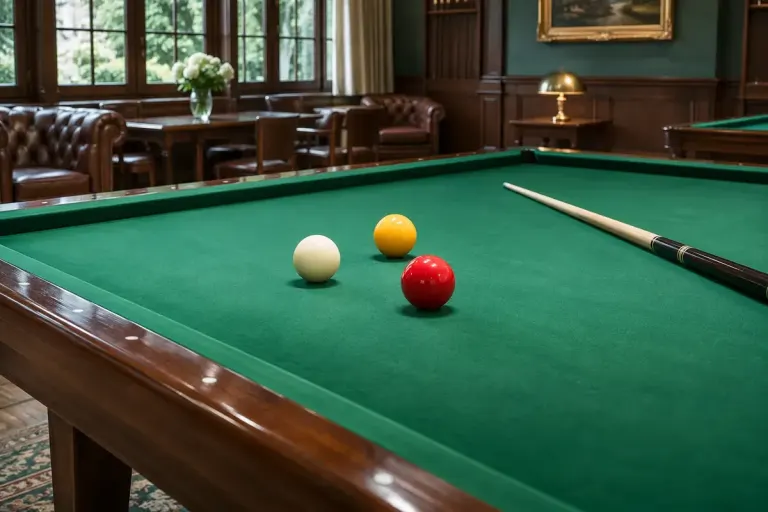
Learn the scoring sequence in three-cushion carom billiards, including why three contacts do not have to involve three different cushions.
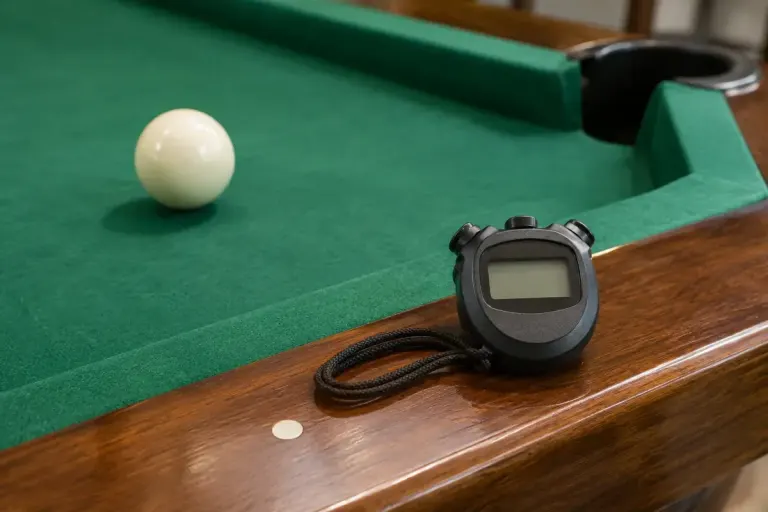
Before playing pool on a shot clock, confirm the start point, warning, extension and foul rule. The event’s timing procedure matters as much as the display.
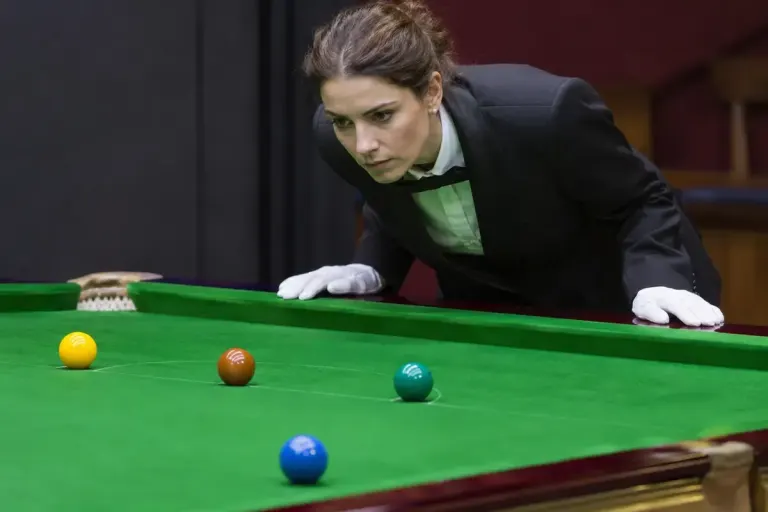
A potted snooker colour does not always return to its usual spot. Learn the order used when a spot is occupied and what to watch in a referee’s decision.
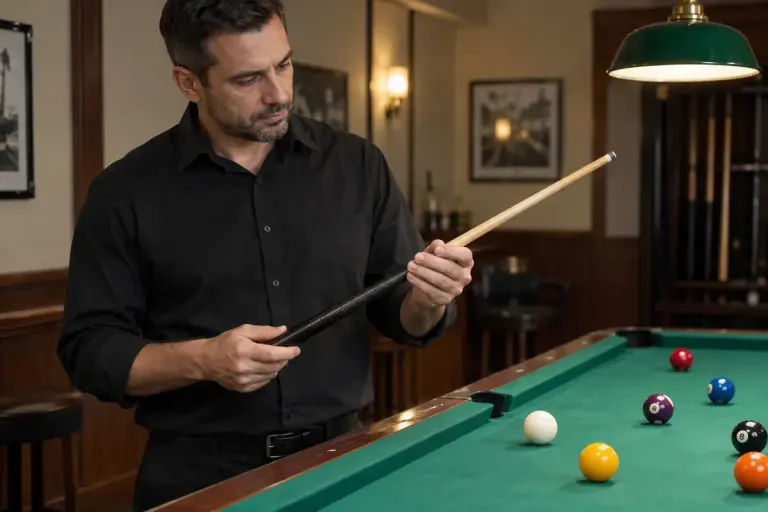
A legal pool jump is not a scoop beneath the cue ball. Understand the contact distinction, current WPA wording and the room rules before practising.

In WPA eight-ball, potting your called ball does not excuse contacting the wrong group first. Follow the cue ball before judging a combination.
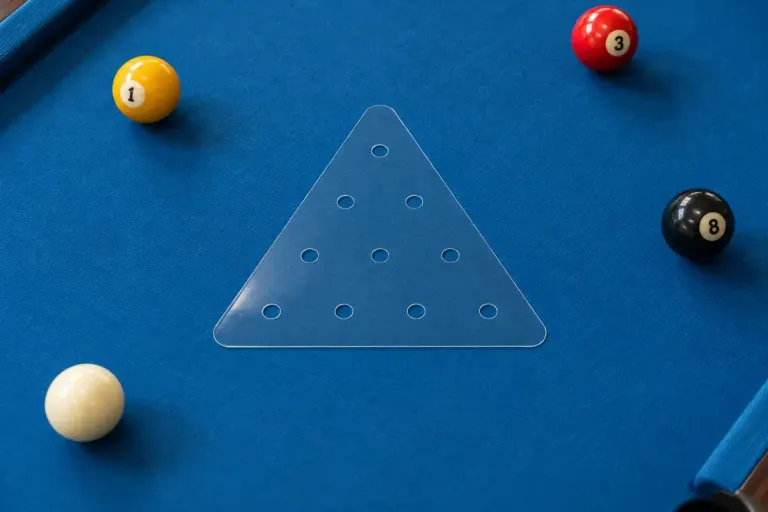
A pool racking template can remain beneath balls after the break. Check who may remove it, when to wait and where to put it once it leaves the cloth.

Understand consecutive fouls in WPA nine-ball, why the two-foul warning matters and how a legal shot resets the sequence.
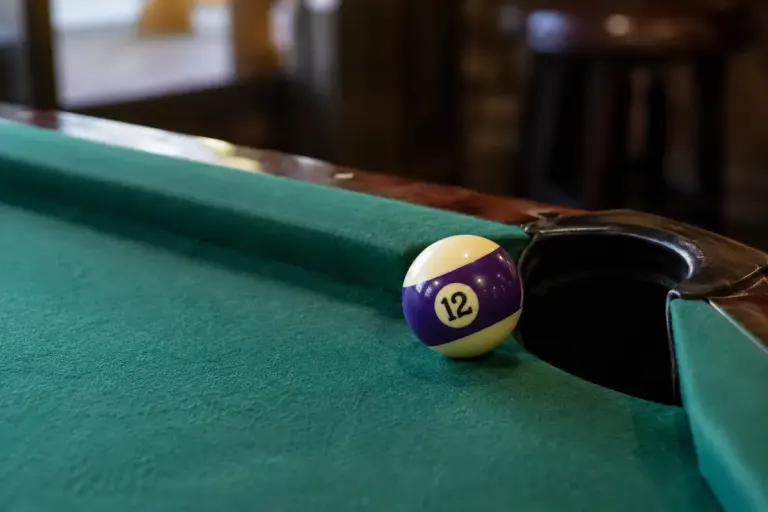
A ball hovering at a pocket is not always a completed pot. Learn why the WPA’s settling rule makes the timing and referee’s decision important.