Pool Rules and Tactics
Nine-Ball Starts With the Lowest Number, Not the Easiest Pot
Read a nine-ball layout by finding the lowest-numbered ball first, then distinguish the required first contact from the ball you hope to pocket.

Better sessions, one considered shot at a time.
Read a nine-ball layout by finding the lowest-numbered ball first, then distinguish the required first contact from the ball you hope to pocket.
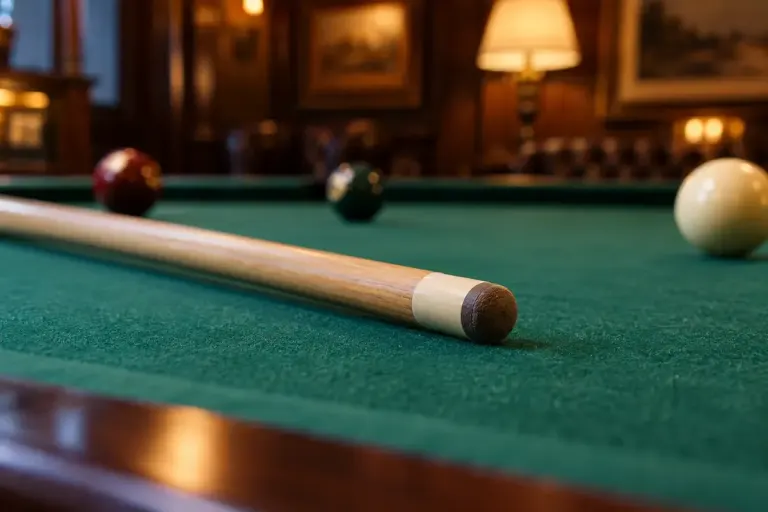
Compare cue tips through consistent shots and maintenance needs instead of assuming a harder or softer tip will automatically improve your game.
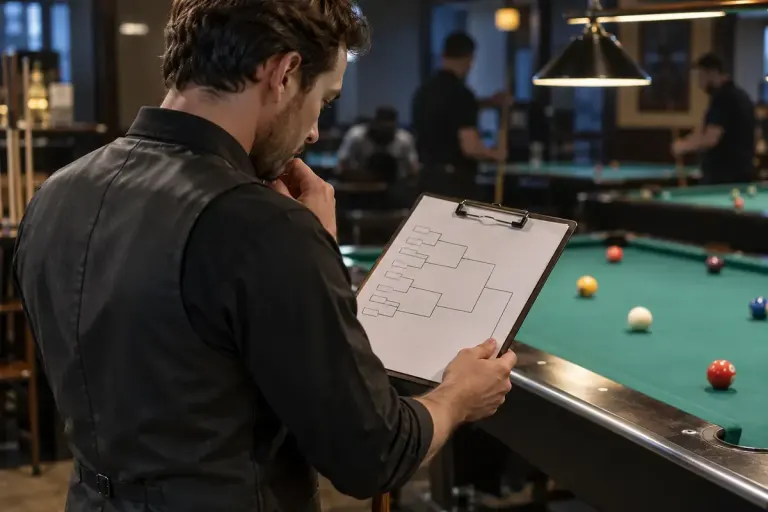
Your first match loss may change your route through a pool tournament. Learn how to follow a double-elimination bracket and check the final format.
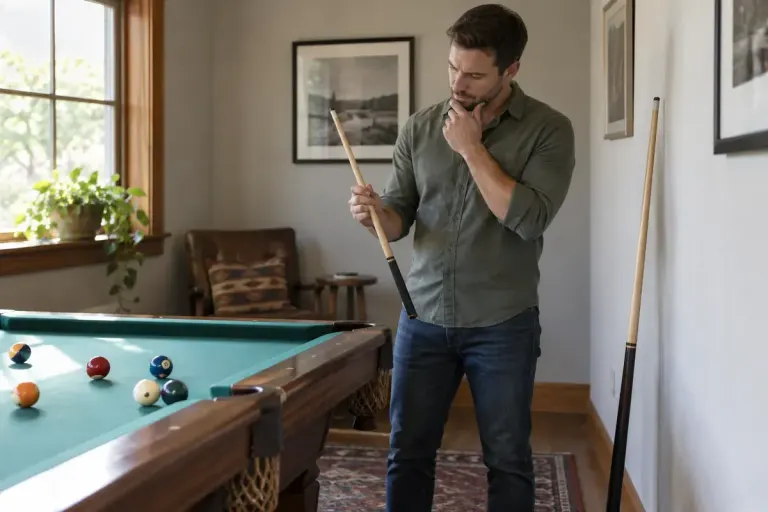
Understand when a shorter cue helps near a wall and how to practise the altered reach without forcing an awkward stroke.

Observe cue-ball follow on a simple straight shot, keeping speed and setup consistent before adding more complicated position play.
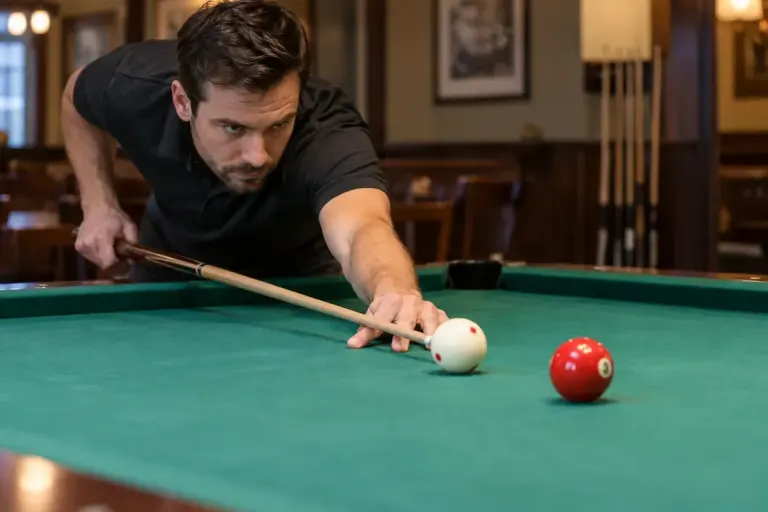
Use the ghost-ball idea to picture a simple pool cut shot, then check alignment and contact instead of expecting the picture to solve every shot.
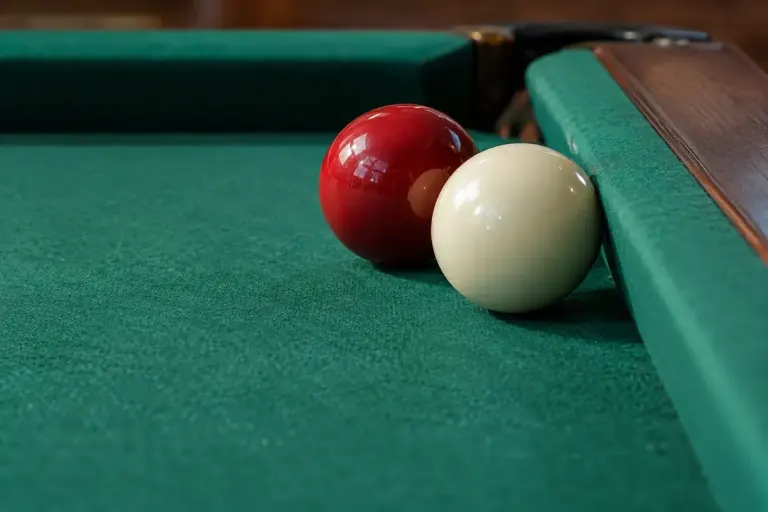
Watch for a second contact between cue ball and object ball when a bank rebounds, and diagnose the collision before changing your aim.
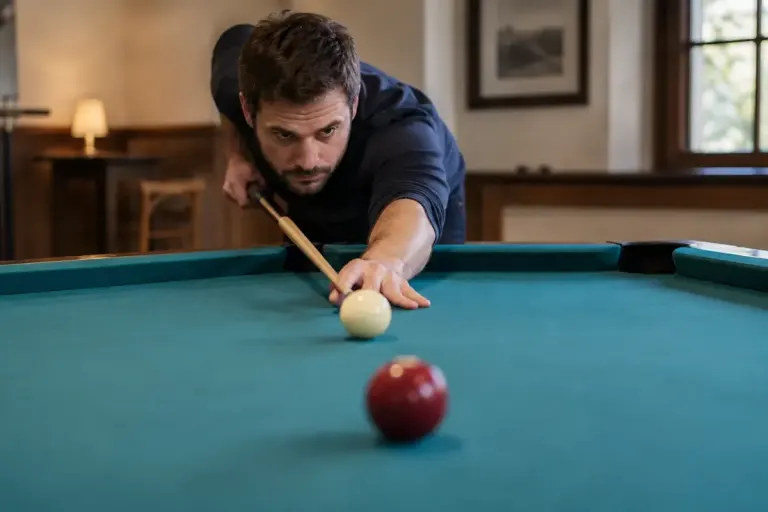
Use a simple straight cueing exercise to observe delivery and alignment, keeping the setup repeatable instead of judging technique from a difficult pot.
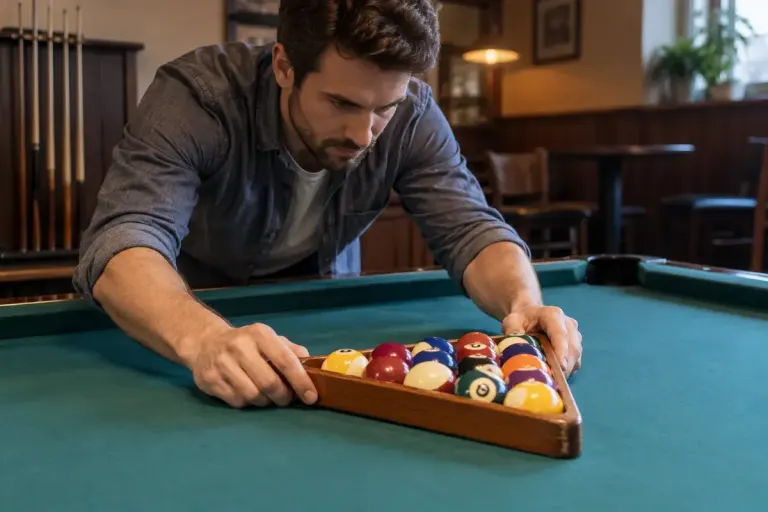
Learn what to inspect in a pool rack before breaking, from ball contact to rack removal, without treating one setup as correct for every game.